
How to Train at Home
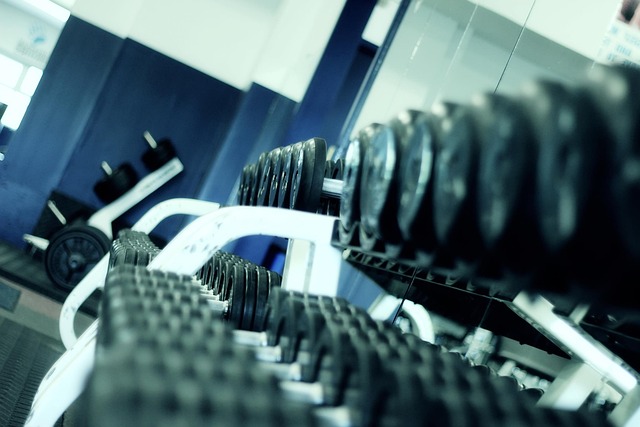
Training for your favorite sports at home transforms any spare corner into a high-performance arena, offering the ultimate flexibility to fit a workout into a busy schedule. By utilizing bodyweight exercises like lunges, planks, and explosive jumps, you can build the foundational strength and agility required for peak athletic performance. Without the commute to a gym or field, you can focus entirely on sport-specific drills and personal weaknesses in a comfortable, distraction-free environment. Incorporating simple tools like resistance bands or even household furniture allows for a surprisingly diverse range of resistance training and conditioning. This consistent access to training helps athletes maintain their competitive edge and develop disciplined habits that translate directly to game day. Ultimately, home workouts empower you to take full control of your fitness journey while saving both time and money.
Master Your Game: The Ultimate Guide to Training Sports at Home
Transforming your living space into a dedicated training zone is a game-changer for any athlete looking to gain a competitive advantage without leaving the house. By removing the barriers of travel time and expensive memberships, home-based training fosters a level of consistency that is difficult to achieve in a traditional gym setting. Whether you are practicing agility drills in the hallway or building explosive power with plyometric movements in the garage, the privacy of your own home allows for intense, focused sessions tailored specifically to your sport. This personalized approach not only strengthens your physical foundation but also sharpens the mental discipline required for elite performance. Embracing a versatile home routine ensures that your progress never stalls, regardless of your schedule or the weather outside.
- Bodyweight Exercises
- These movements utilize your own mass as the primary source of resistance to build strength and endurance. They are incredibly versatile for home training because they require absolutely no specialized gym equipment or large workout spaces. Common examples like push-ups, squats, and lunges help you develop functional power that translates directly to athletic movements on the field. By mastering these basics, you create a solid physical foundation while minimizing the risk of injury.
- Plyometrics
- Often referred to as jump training, these explosive movements are designed to increase your speed and power through rapid muscle stretching and contracting. Incorporating drills like box jumps or burpees into your home routine can significantly improve your vertical leap and overall agility. Because these exercises are high-intensity, they provide a powerful cardiovascular workout while sharpening your central nervous system for sport-specific reactions. They are essential for any athlete looking to develop a "quicker" first step in their game.
- Active Recovery
- This practice involves performing low-intensity physical activity on your scheduled rest days to help the body repair itself more efficiently. Instead of complete inactivity, you might engage in light stretching, foam rolling, or a gentle yoga flow in your living room. This process increases blood flow to your tired muscles, which helps clear out metabolic waste and reduces post-workout soreness. Staying mobile during recovery ensures that you remain flexible and ready for your next high-intensity session.
- Resistance Bands
- These portable elastic tools provide a unique form of external force that can be used for both strength training and mobility work. They are perfect for home use because they take up virtually no space and can be easily stored in a drawer when not in use. Unlike free weights, bands provide continuous tension throughout the entire range of motion, which is excellent for stabilizing smaller muscle groups. They are a cost-effective way to add variety and difficulty to your existing bodyweight routine.
- HIIT (High-Intensity Interval Training)
- This training format alternates between short bursts of maximum-effort exercise and brief periods of low-intensity recovery or rest. It is one of the most time-efficient ways to improve both your aerobic and anaerobic fitness levels within a limited space. By keeping your heart rate elevated, HIIT boosts your metabolism and continues to burn calories long after the workout is over. This style of training is ideal for athletes who need to maintain peak conditioning but have a very tight daily schedule.
- Progressive Overload
- This fundamental training principle involves gradually increasing the stress placed on your body during exercise to ensure continued physical gains. In a home setting, you can achieve this by adding more repetitions, decreasing your rest time, or performing more advanced versions of an exercise. Without this constant challenge, your body will eventually adapt to your routine and your athletic progress will begin to plateau. Consistently tracking your workouts allows you to identify exactly when it is time to push yourself to the next level.
- Functional Training
- These exercises focus on movements that mimic the real-world actions or specific skills you use during a competitive game. Rather than isolating a single muscle, functional drills engage multiple muscle groups simultaneously to improve balance, coordination, and stability. Training this way at home helps your body move as a unified, efficient machine, reducing the likelihood of awkward falls or strains. It ensures that the strength you build in your living room actually makes you a better, more resilient player on the court.